.png)

Diesel adulteration diminishes engine efficiency and shortens engine lifespan. It generally involves mixing low cost, readily available substances that are compatible with diesel and have similar physicochemical characteristics, such as kerosene, waste oils, vegetable oils, solvents, and alcohol-based compounds.To address this issue, regulatory authorities and petroleum testing laboratories continuously employ different techniques to verify the purity and quality of commercial diesel fuel. Although solvent tracer analysis has emerged as an effective method for identifying fuel adulteration, many laboratories still rely heavily on the physicochemical properties of diesel as key indicators of adulteration. Can lubricity be used as a metric in differentiating clean vs. adulterated fuels ?
Evaluate the effect of adulteration on the lubricity performance of commercial diesel fuel controlled conditions using the High Frequency Reciprocating Rig (HFRR-ADV)
Reference fluids DFA and DFB are recommended for verification of the performance of the instrument to ensure accuracy and reliability of the results from unknown fuel samples. Detailed verification report can be accessed (LINK TO REPORT)
Two diesel fuels were tested :
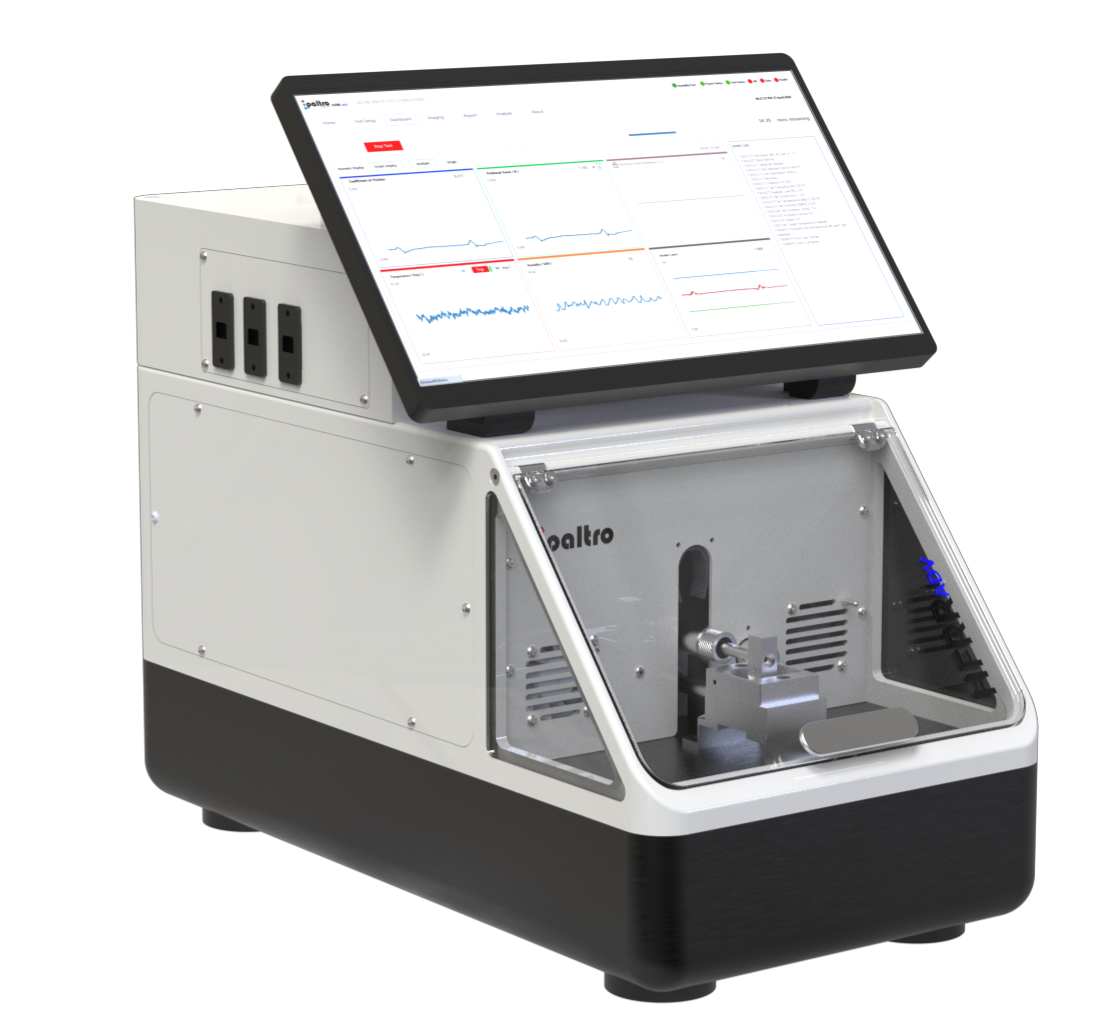
Lubricity measurements were performed in accordance with ASTM D6079. Testing was conducted using HFRR-ADV, shown in the figure below, which enables precise control of test conditions and reliable assessment of fuel lubricity. Considering the low flash point of kerosene, tesing was done at ambient temperature instead of 60 deg C. Each fuel type was tested three times.
For a detailed explanation of the test setup, operating principles, and data interpretation, explore our dedicated blog post:
👉Learn more about the ASTM D6079 test method here.
Lubricity performance was quantified through mean wear scar diameter (MWSD) measurements. The MWSD values for the low and high lubricity reference fluids are 725 microns and 432 microns respectively, well within the the reproducibility acceptance limits provided by ASTM TMC.
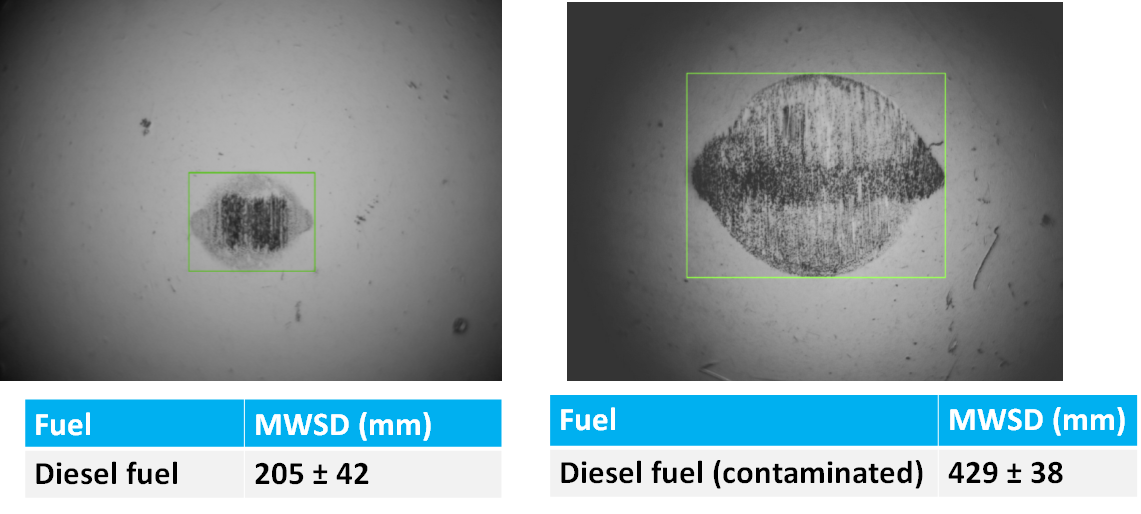
Representative optical images of the wear scars of pure and adulterated diesel is shown in Figure 2 along with the average wear scar diameter and standard deviation obtained from three tests. Diesel mixed with kerosene/jet fuel shows poor lubricity compared to pure diesel.
This study show that HFRR test method can be used to identify adulteration in diesel fuel. The HFRR-ADV provides an automated workflow that simplifies such investigations making it a powerful tool for quality control and regulatory compliance.

.svg)
.svg)
