.png)


Jet A-1 fuel, widely used in civilian aviation, is typically formulated to satisfy a maximum wear scar diameter (MWSD) limit of 0.85 mm, reflecting the operational demands and material tolerances of commercial aircraft fuel systems. In contrast, military aviation applications impose more rigorous requirements, often requiring a MWSD limit of 0.65 mm to accommodate more severe operating conditions and enhanced performance requirements. To achieve these stricter lubricity specifications, fuel additives are commonly used.
Evaluate the effect of additives on the lubricity performance of commercial aviation turbine fuel, by comparing doped and undoped samples under controlled conditions using the Ball-on-Cylinder Lubricity Evaluator (BOCLE-ADV).
Reference fluids JFA12 and JFB12 are recommended for calibration of the instrument and qualification of fresh ring to ensure accuracy and reliability of the results.
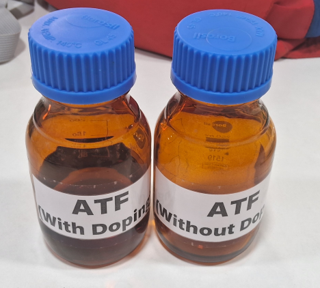
Two commercial aviation turbine fuels were tested :
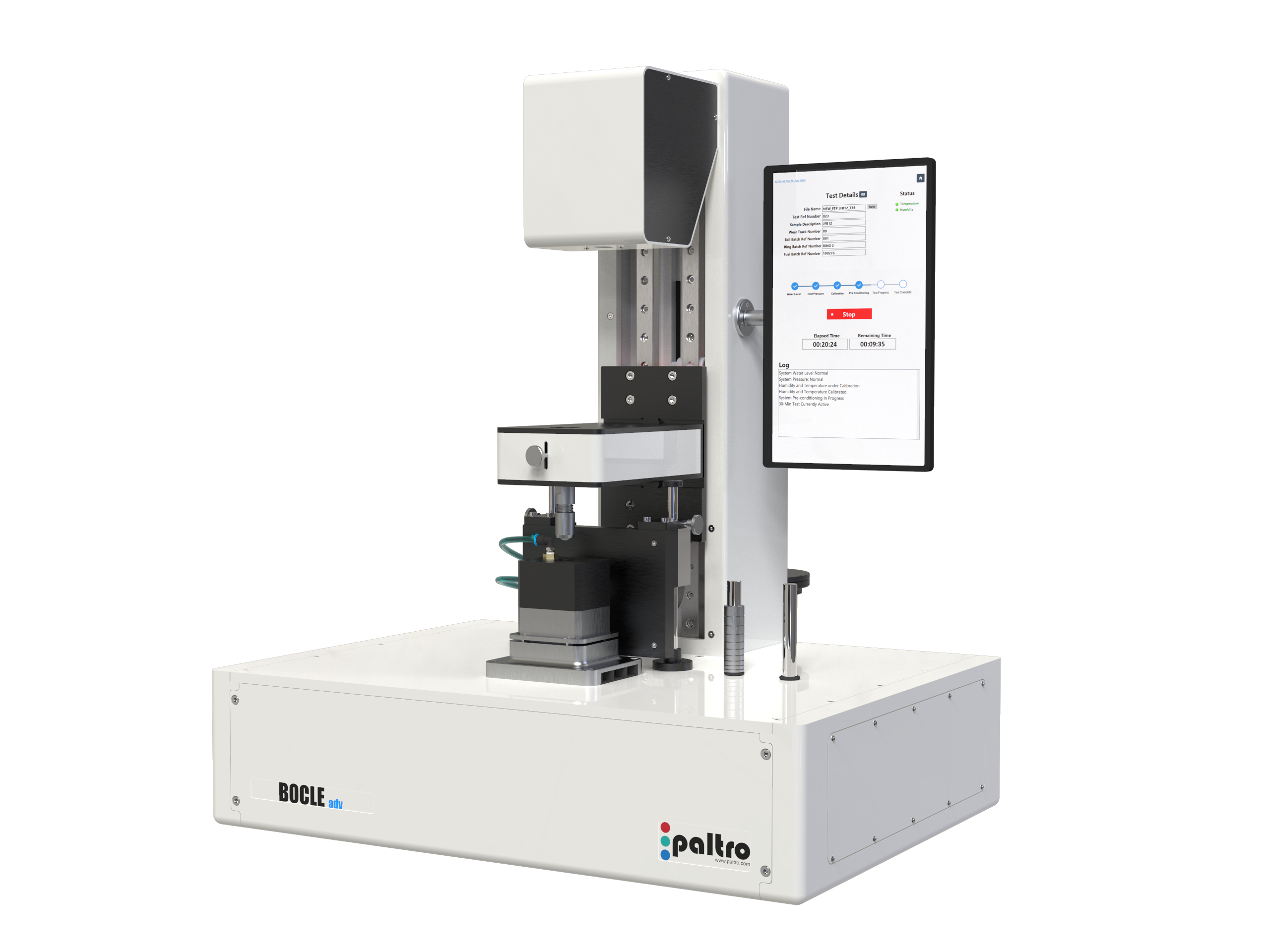
Lubricity measurements were performed in accordance with ASTM D5001, the standard method for evaluating the wear-preventive properties of aviation turbine fuels. Testing was carried out using BOCLE-ADV, shown in the figure below, which enables precise control of test conditions and reliable assessment of fuel lubricity.
For a detailed explanation of the test setup, operating principles, and data interpretation, explore our dedicated blog post:
👉 Learn more about the BOCLE ASTM D5001 test method here.
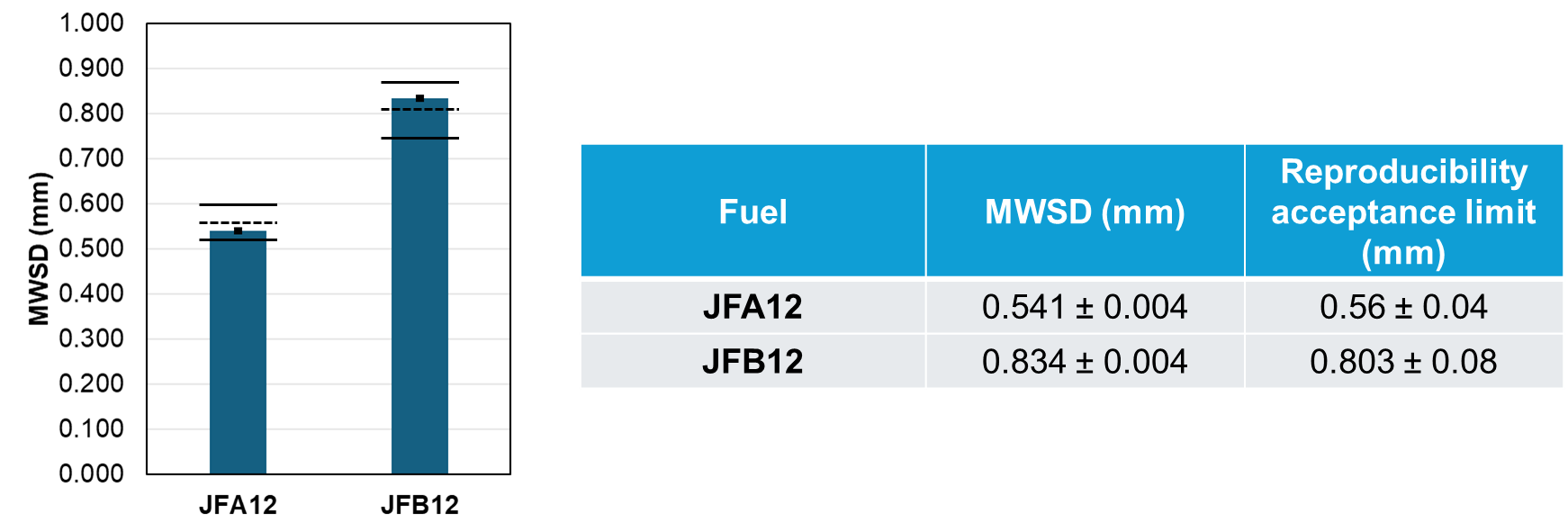
The MWSD values for the low and high lubricity reference fluids are reported in Figure 1, together with the reproducibility acceptance limits, with the mean value (black dotted line) and lower/upper limits (black continuous line).
👉The complete description of the calibration procedure can be found in our dedicated blog at the following link.
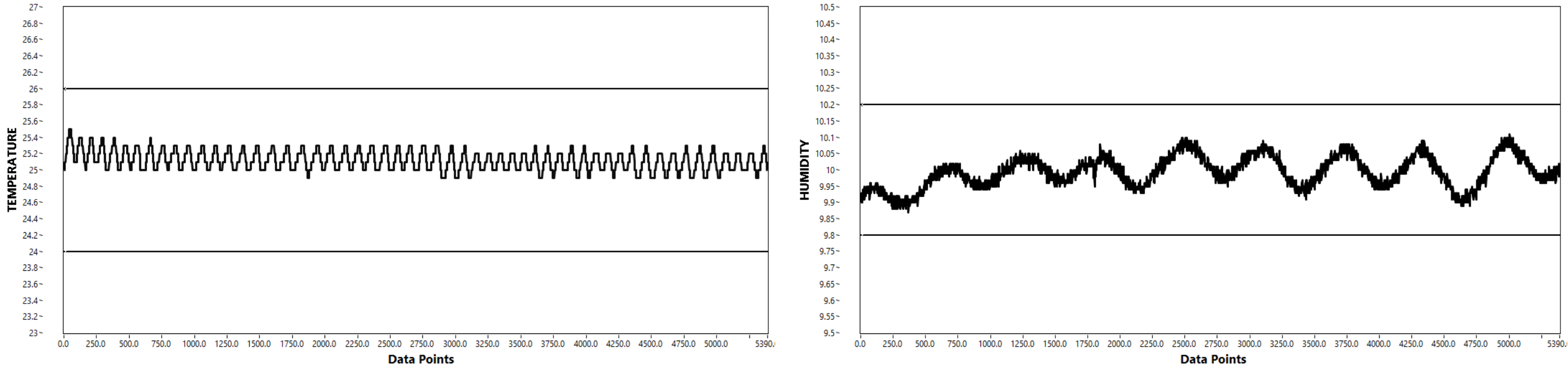
Environmental conditions during testing were continuously monitored to ensure compliance with BOCLE method requirements. Temperature and relative humidity were recorded in real time using an automated acquisition system, and their stability throughout the test campaign is illustrated in the corresponding graphs.
Lubricity performance was quantified through mean wear scar diameter (MWSD) measurements. Representative optical images of the wear scars with the boundary detected using automatic edge detection feature is shown in Figure 3.
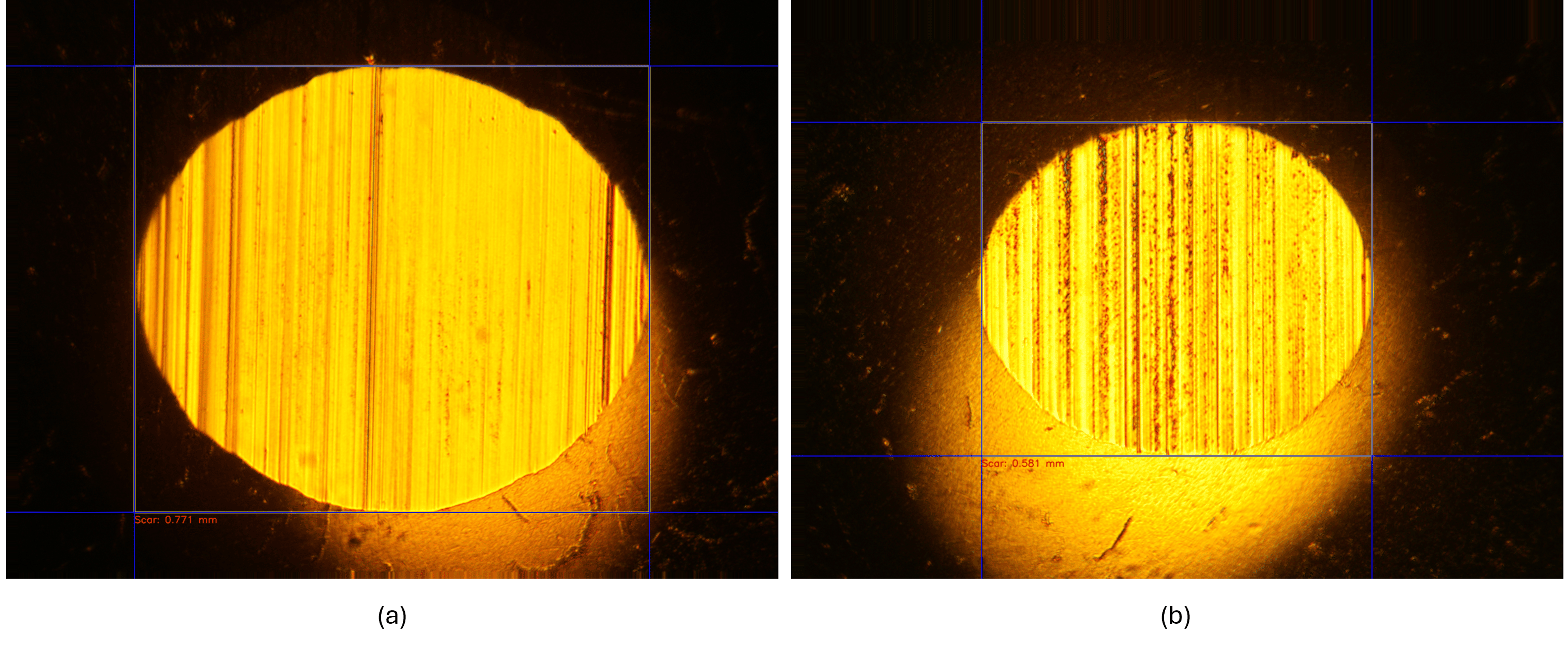
The MWSD values for the ATF without doping (red bar) and ATF doped (green bar) fuels are reported in Figure 4, together with their reproducibility acceptance limits.
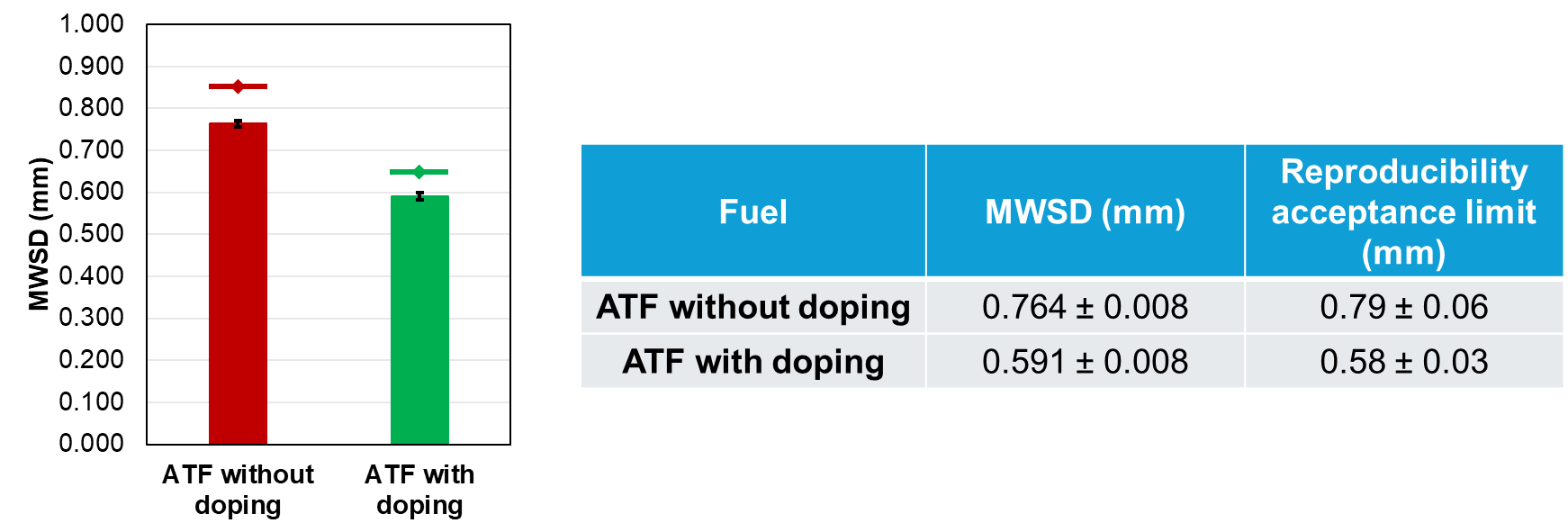
Commerical aviation turbine both undoped and doped for different applications can be precisely differentiated using BOCLE-ADV. Workflow automation, ease of use and data tracebility make it a powerful quality control tool for the fuel industry.

.svg)
.svg)
